Taren Engineering, with over 20 years of experience, specializes in manufacturing chemical cotton seed delinting machinery. We manage the entire process, from raw material intake and quality control to pneumatic transportation, processing, packaging, and setting up quality control laboratories. Our high-performance machines optimize seed processing operations, enabling the production of cleaner and higher-quality seeds. Taren Engineering goes beyond just machinery supply, offering comprehensive solutions with installation, training, and technical support services to its clients.

Sercenk KILIÇ, with 25 years of experience in the seed industry, has specialized in chemical cotton seed delinting technology. In addition to his experience at leading seed companies, he has obtained production certifications and managed subcontract manufacturing processes for global corporations. In 2017, he founded Taren Engineering in Adana, aiming to bring innovative solutions to the industry by leveraging his expertise. Our greatest strength lies in our industry experience and passion for cotton.


A solution formed by mixing a specific amount of water, sulfuric acid, and NP₁₀ chemical is transferred to Chrome Reactor No. 2 via a pump and applied to cottonseed. The chrome reactor ensures a homogeneous mixture of cottonseed and acid. In the reactor, the cottonseed mixes with the solution and is transferred to Chrome Vertical Elevator No. 3. The vertical elevator then moves the cottonseed mixed with the solution to Horizontal Chrome Helix No. 4.

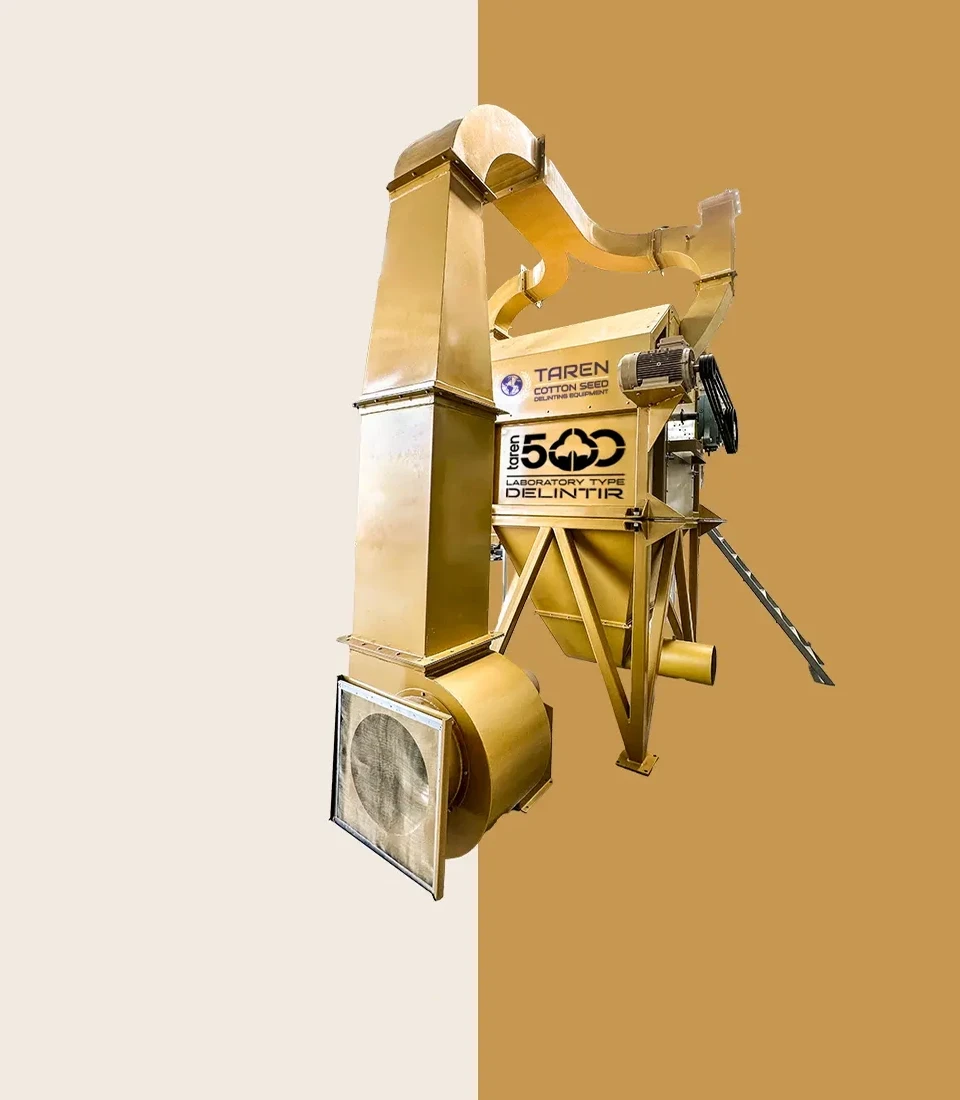
The cottonseed is discharged from Horizontal Chrome Helix No. 4 into the delinter, and the drum begins to rotate. Then, the burner system with a capacity of 1,000,000 BTU is activated. This system generates hot air, which is transferred to the drum using a suction fan. Exposed to the hot air, the cottonseed is stripped of its fibers over time and naturally falls out. The fibers are extracted and carried away by Cyclone System No. 6. Thus, the cottonseed is transformed into bare seeds.


The ginned cottonseeds are poured into the discharge unit, transferred by an 8-inch blower system with dampers to storage areas without damage or manual handling. Thanks to the directional dampers in the system, the product can be directed to the desired storage area. These pneumatic conveyors, with a capacity of 30 tons per hour, transport the product over long distances without any damage or manual contact.


The pre-cleaning machine ensures the removal of excessive dust, stalks, debris, and husks from the fuzzy cottonseed before it enters the acid reactor.
Before the fuzzy seeds are loaded into the delinters, the cleaning process in this section will increase the production capacity and contribute to a more economical consumption of the chemicals used.

Sulfuric acid (H₂SO₄) with 98% of purity is transferred to the acid preparation unit. In the dilution tanks, a diluted sulfuric acid solution of 8% or 10% concentration is prepared using a specific formula.
This diluted acidic solution, combined with water and a surface tension-reducing chemical (surfactant), is transferred to the chrome reactor unit with the help of specialized pumps.


The acid solution is transferred to the stainless chrome reactor with the fuzzy seeds, applied homogeneously via a screw conveyor, and conveyed to the delinter using a chrome vertical elevator and horizontal screw conveyor. The reactor, made from durable 316T stainless steel, ensures years of reliable use. Its design allows seeds to mix fully and uniformly with the acid, ensuring effective treatment.

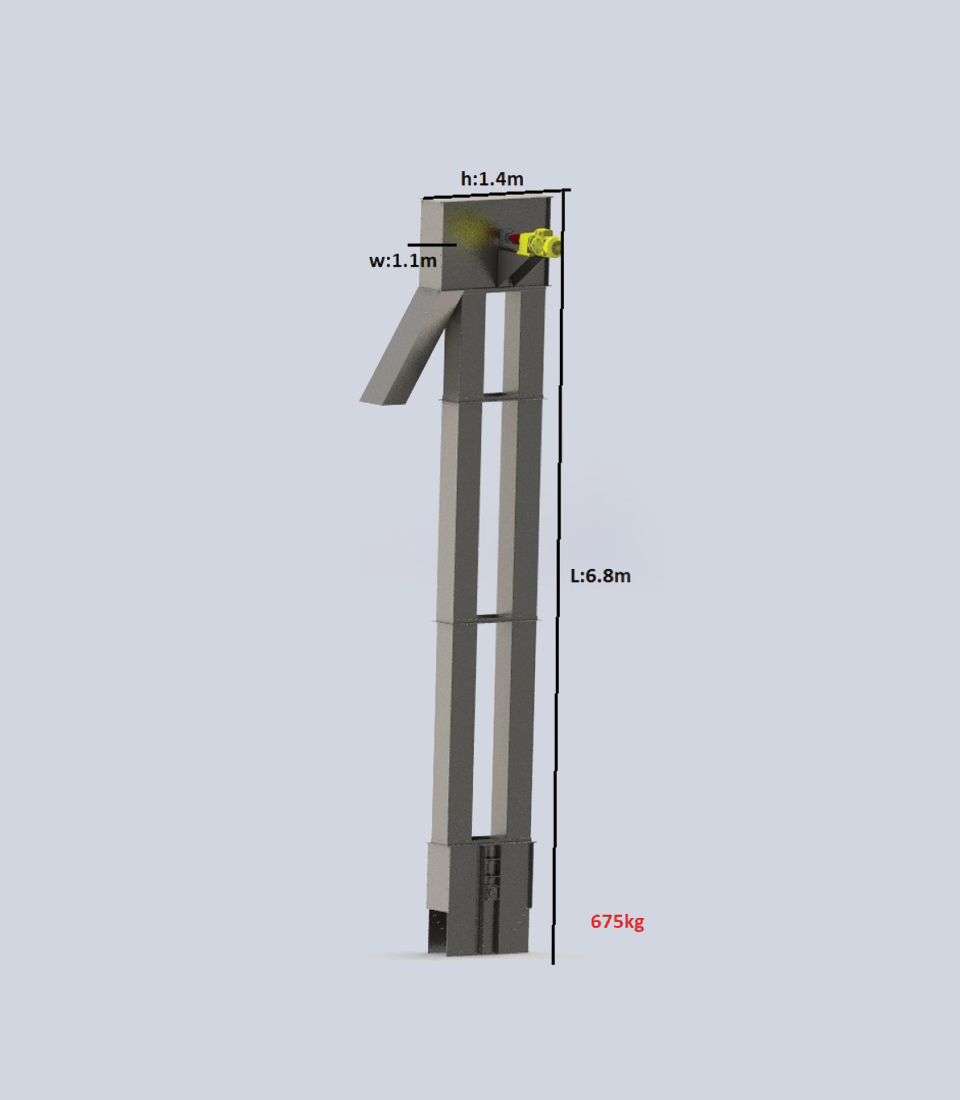
The stainless chrome vertical elevator is used to transport the acid-treated product from the reactor to the delinter.
The entire structure and components of the stainless chrome vertical elevator are made from 316T-grade steel.
The plastic buckets inside the elevator are mounted on the moving belt using 316-grade bolts.


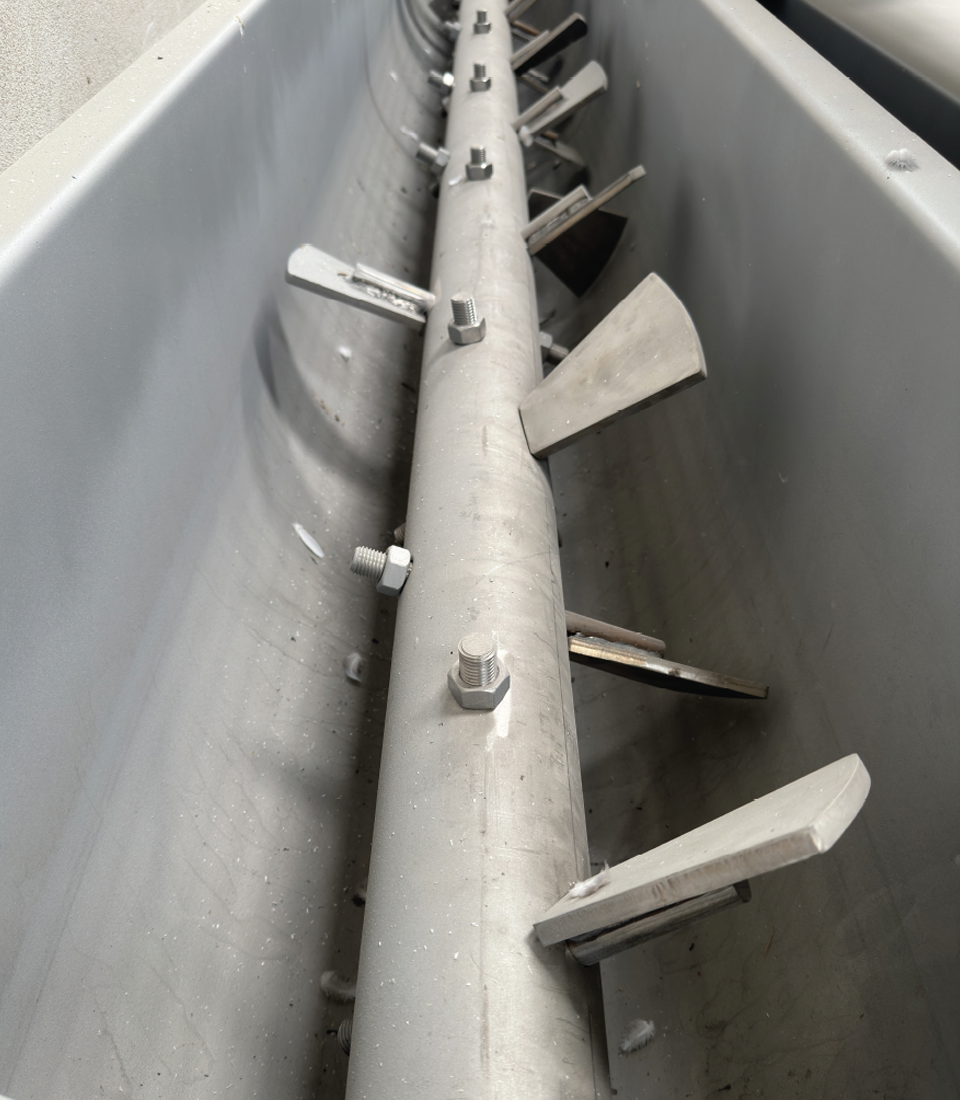
The cottonseeds, evenly mixed with acid through the precision-engineered distributor screw conveyor, are efficiently transported to the delinter units for further processing, ensuring uniform treatment and optimal preparation for the delinting stage.
The body, all auxiliary components, and bolts of the stainless chrome distributor screw conveyor are made of 316T high-quality steel.


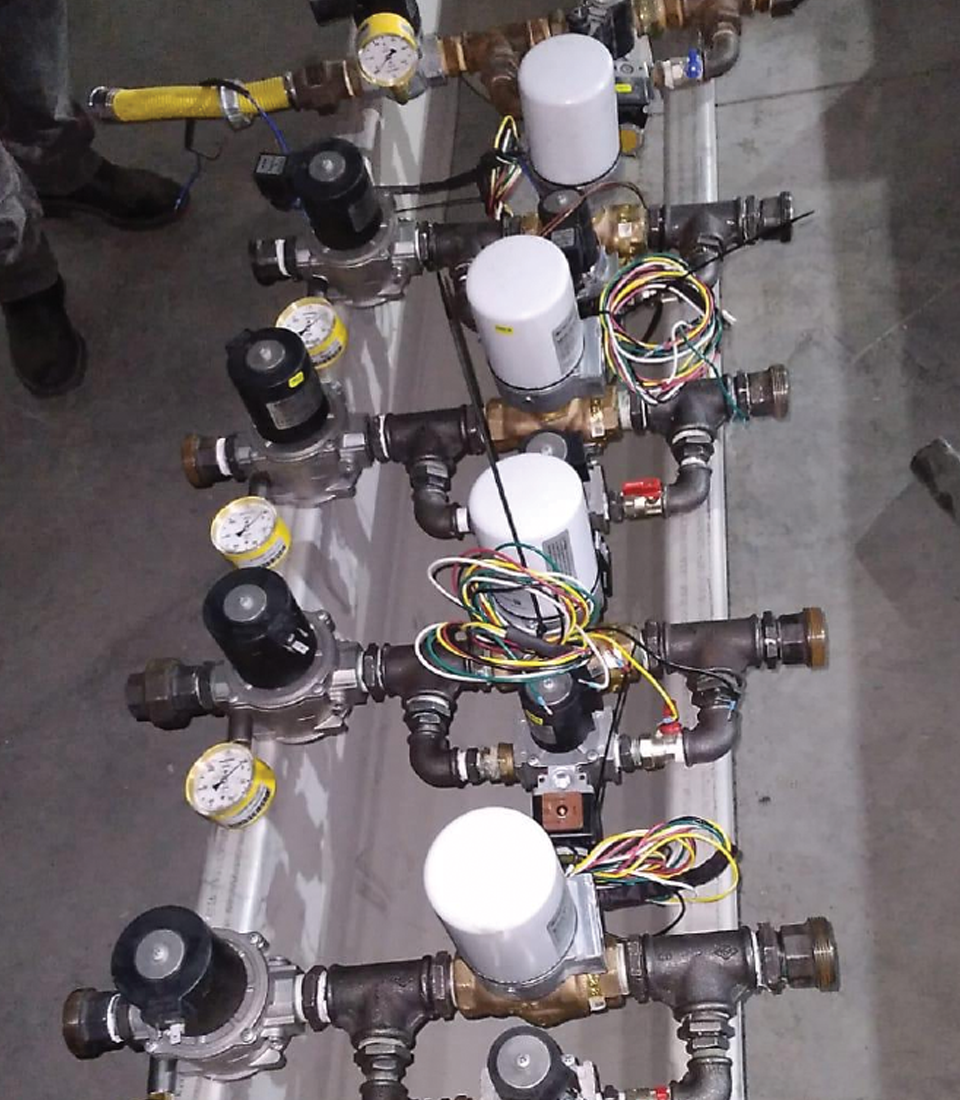
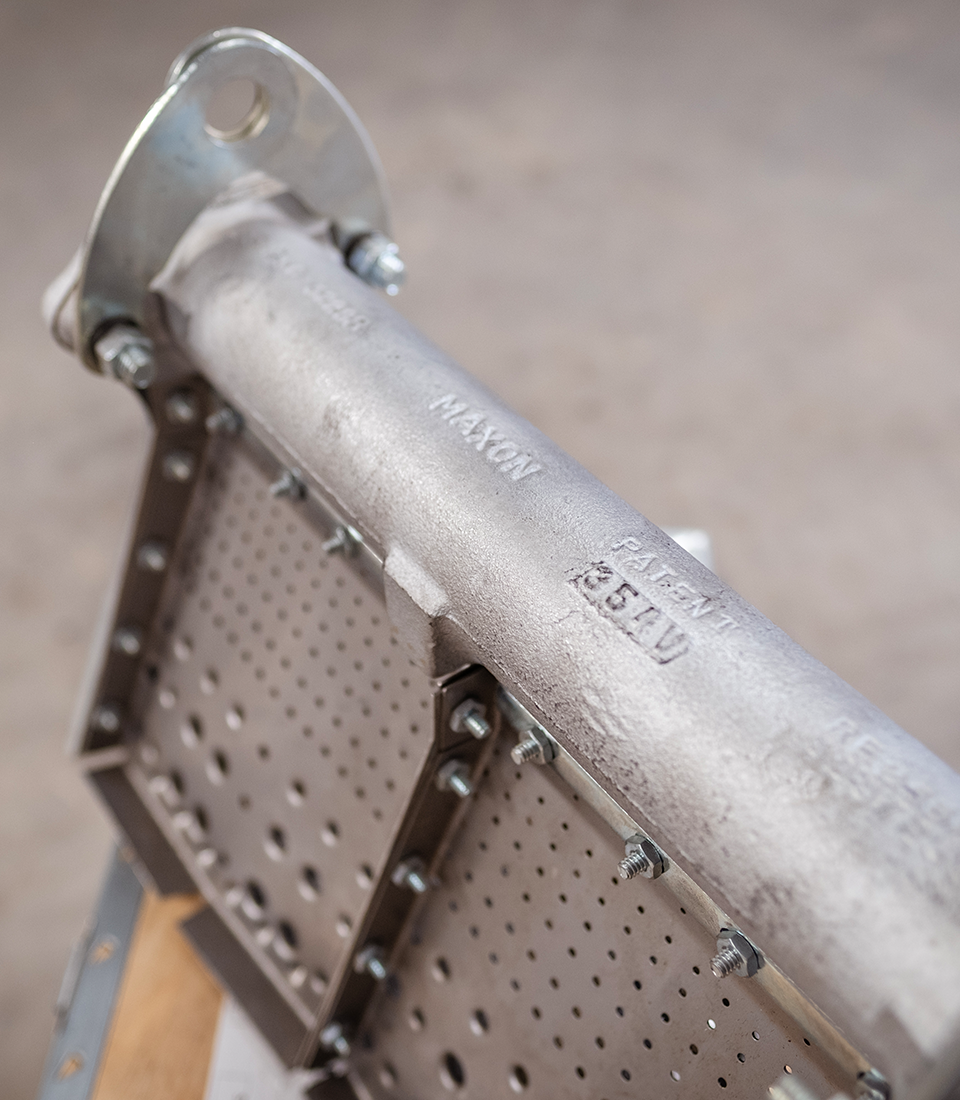
Delinting machines perform the process of removing the fuzz from the cottonseeds that have been wetted with acid. Through friction, heat, the assistance of fans, and the effects of chemicals, the fuzz on the seeds is completely removed, resulting in clean, bare blackseed. The heating system in delinting machines is crucial and utilizes advanced technology with a PID control mechanism for precise temperature regulation. Its proportional components are CE-certified and patented, as is the burner head, reflecting innovative and high-quality engineering.


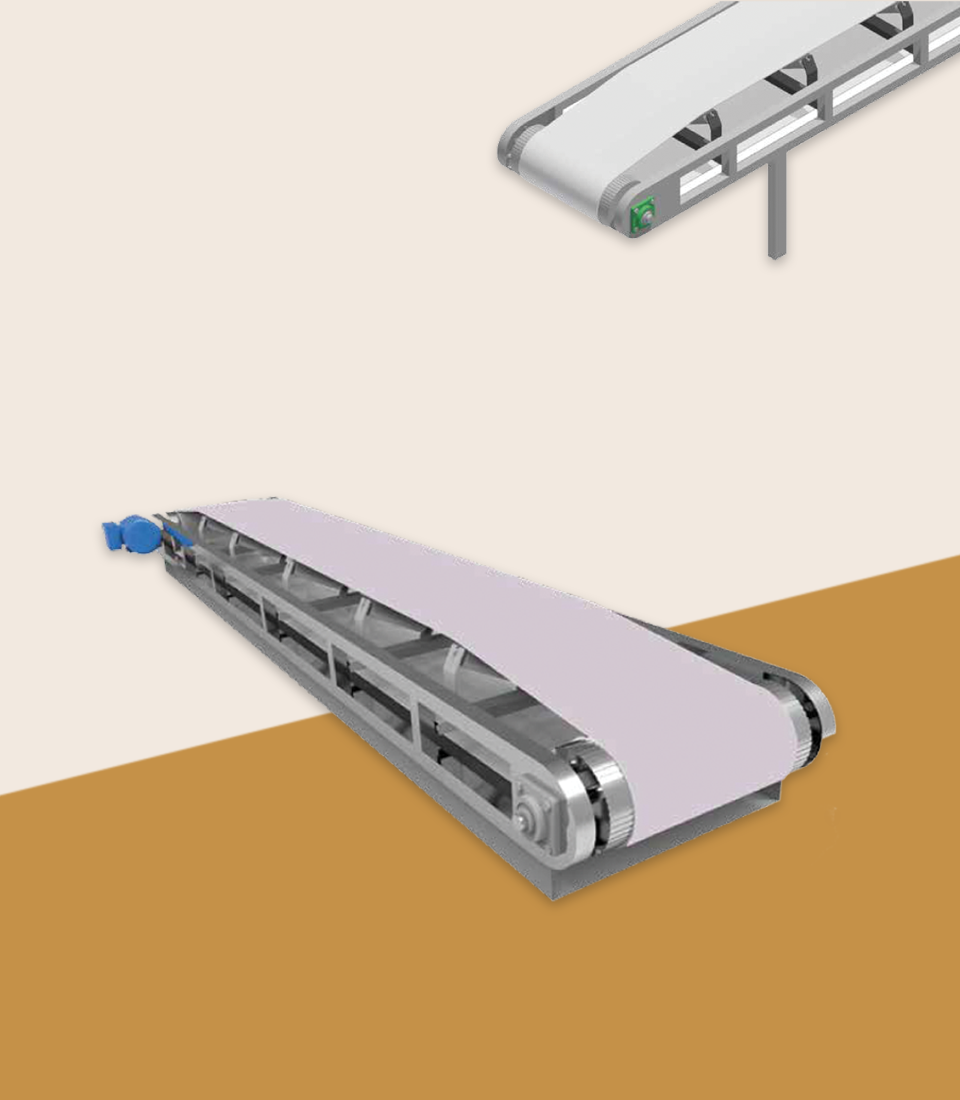
The delinting discharge conveyor transfers black seeds from the delinting machine to the cleaning group. The Taren Belt Conveyor T.BELT-014, made of galvanized or painted steel, is a lightweight, modular system designed for easy assembly and integration into transport systems. The T.BELT-014 model features quiet, energy-efficient guide rollers and supports inclined transport up to 30° with specialized carriers, ensuring safe and efficient material handling.


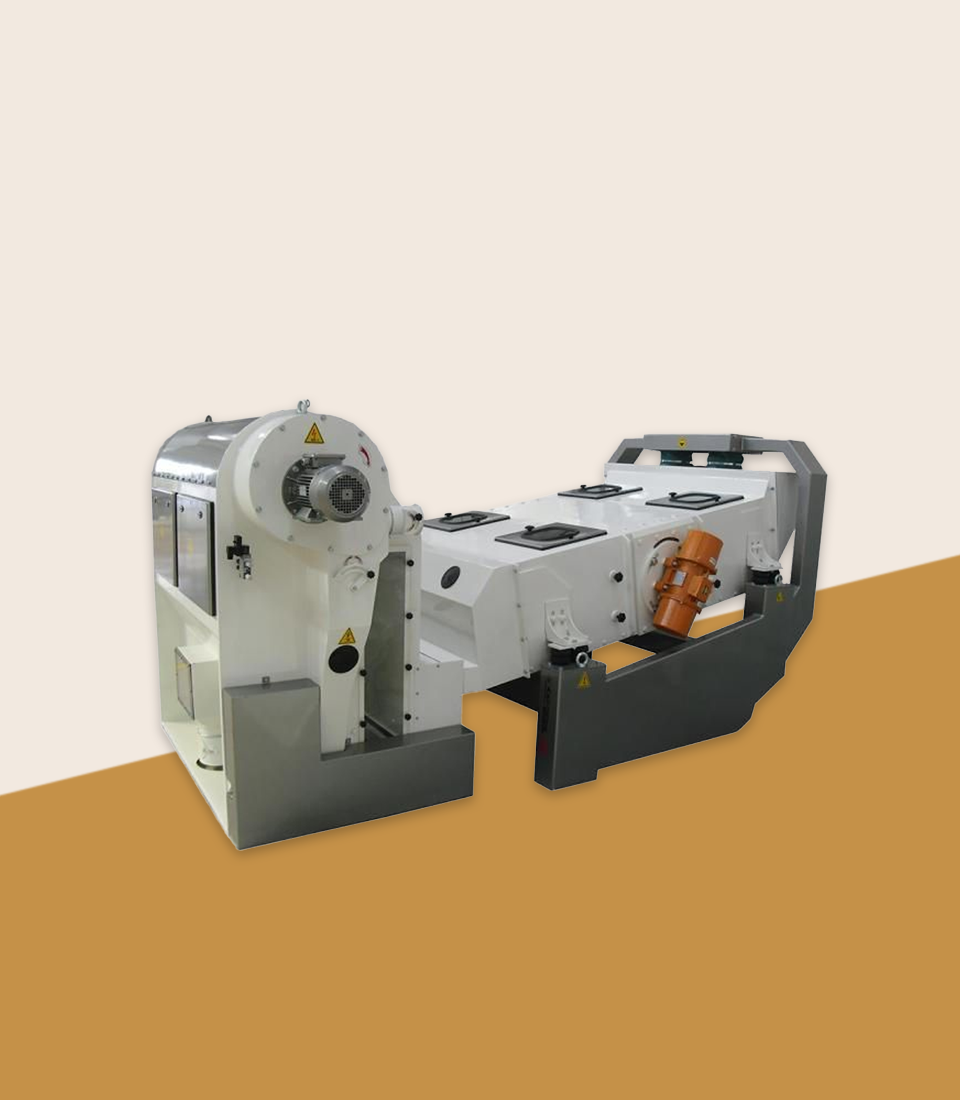
This machine removes coarse materials (e.g., stones, cocklebur) missed during pre-cleaning. Its modern vibratory screen design ensures high-quality, high-capacity cleaning with compact dimensions and low energy use.
Granular materials are fed via a conveyor and distributed evenly across the screen by a grain distribution device. Vibrating motors enable the material to move downward while orienting seeds vertically to pass through perforated screens.


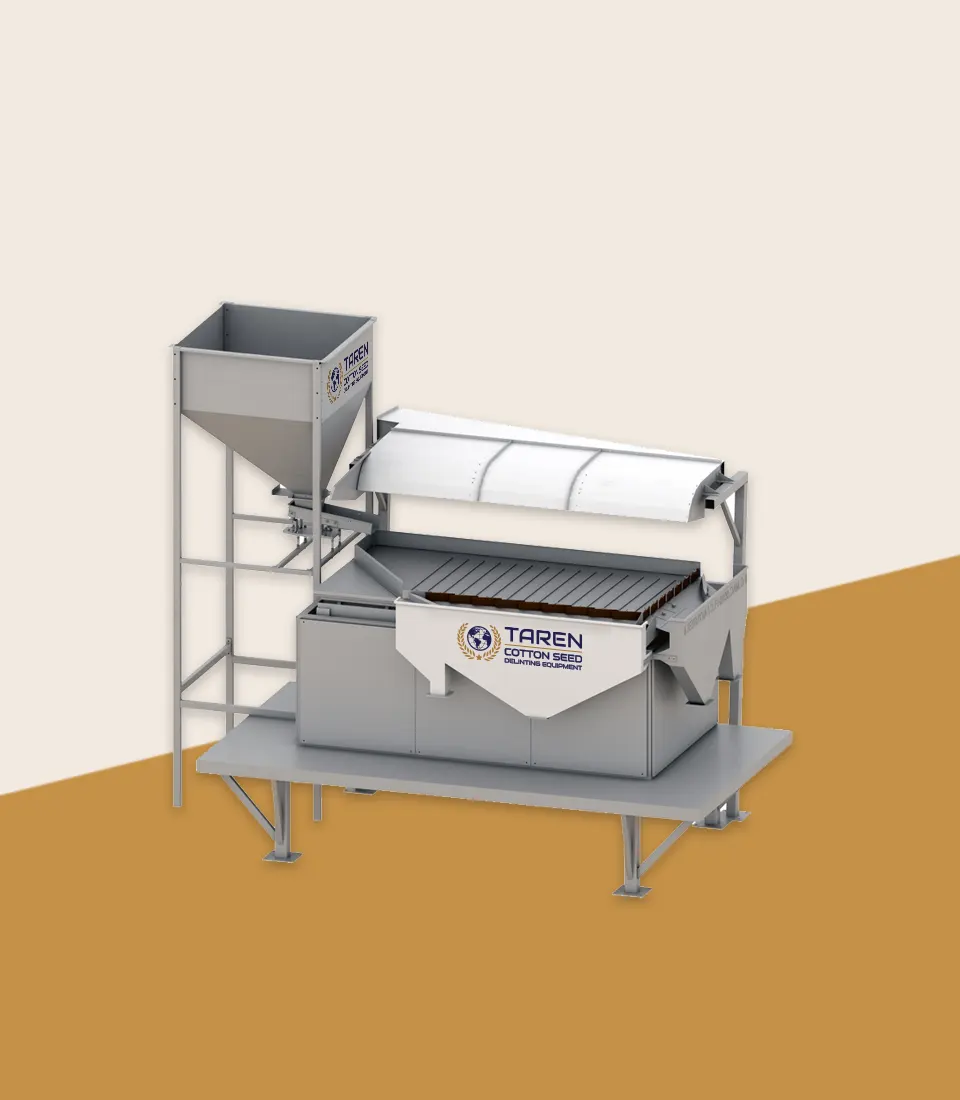
In this section, dust, debris, stalks, oversized, broken, and small seeds are separated from the material. The Fine Cleaner efficiently screens, cleans, and grades grains, seeds, legumes, and similar materials using a 32-square-meter perforated screen area. The machine’s unique design enables operators to clean and classify seeds into up to five categories. The screening process removes large and small impurities, split seeds, and lightweight contaminants using air screening. In the second half, up to five sizing processes occur through friction-based separation.


This final screening machine precisely separates products by specific gravity, offering an ideal solution when minimal size or weight differences prevent separation by width or length.
In this machine, seeds are classified by specific gravity. Heavier seeds go to the clean output, while lighter, immature seeds, dust, and small stalks are removed. Intermediate seeds are transported by the Re-Sort Conveyor Belt back to the feed elevator for re-sorting, giving the operator greater control over output quality.

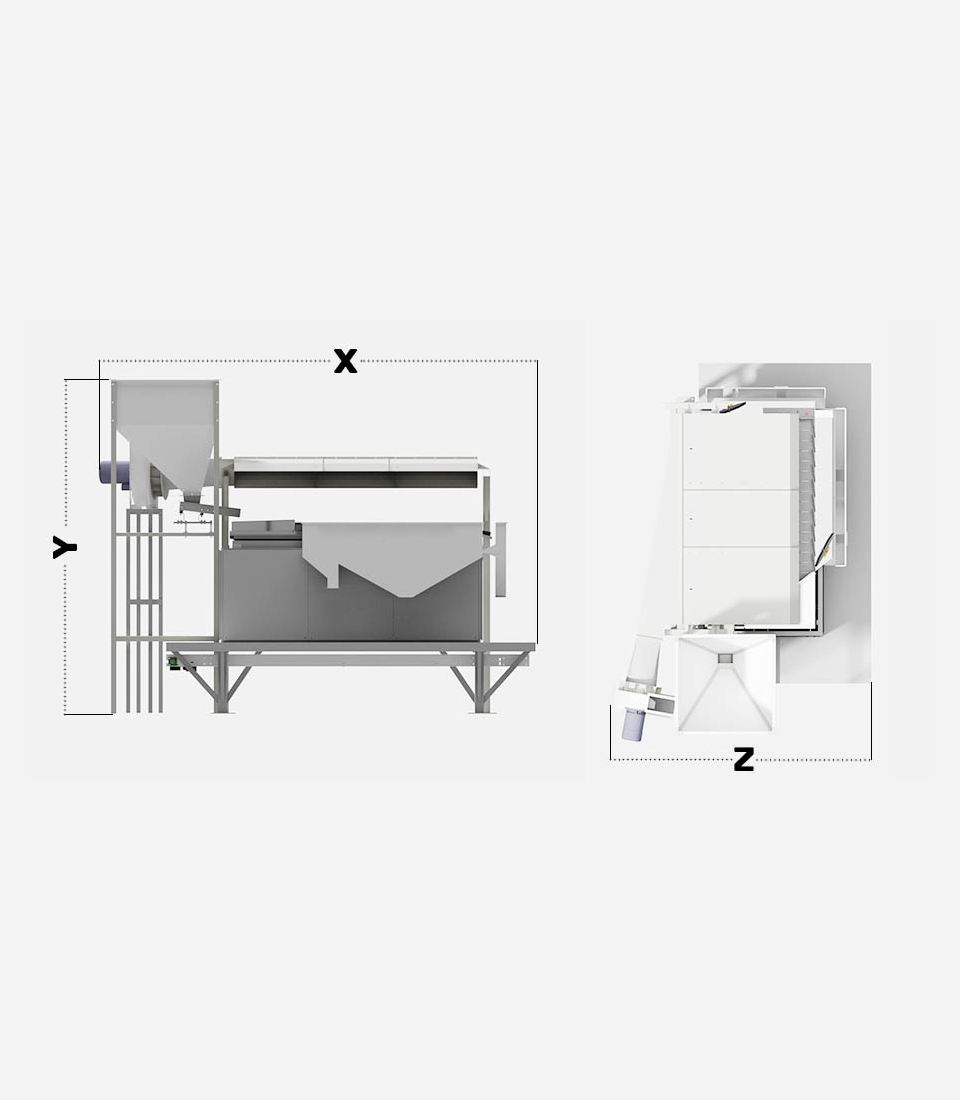
A washing process with a chemical substance is performed to increase the pH level of the seed. It is a micro-washing process to bring the pH level of the cottonseed, that was treated with acid at the beginning on delintation process, to a range of 4-6.
To restore the pH of the cottonseeds that have passed through the acidic solution to back normal, neutralization is made with a basic chemical. This is also a control point where a sample is taken for analysis before the semi-finished neutralized product is coated with chemicals (fungicide and insecticide).

The neutralized seeds are transported in big bags to this section, where they are coated with fungicide, insecticide, coloring agent, and adhesive to ensure these treatments adhere and remain on the seed until it contacts the soil. While performing this process, it is essential to use the correct chemical formulations and apply the coating with minimal moisture to the seed. After this process, the seeds are packaged at the desired weight and sealed with a sewing machine, making them ready for shipment.


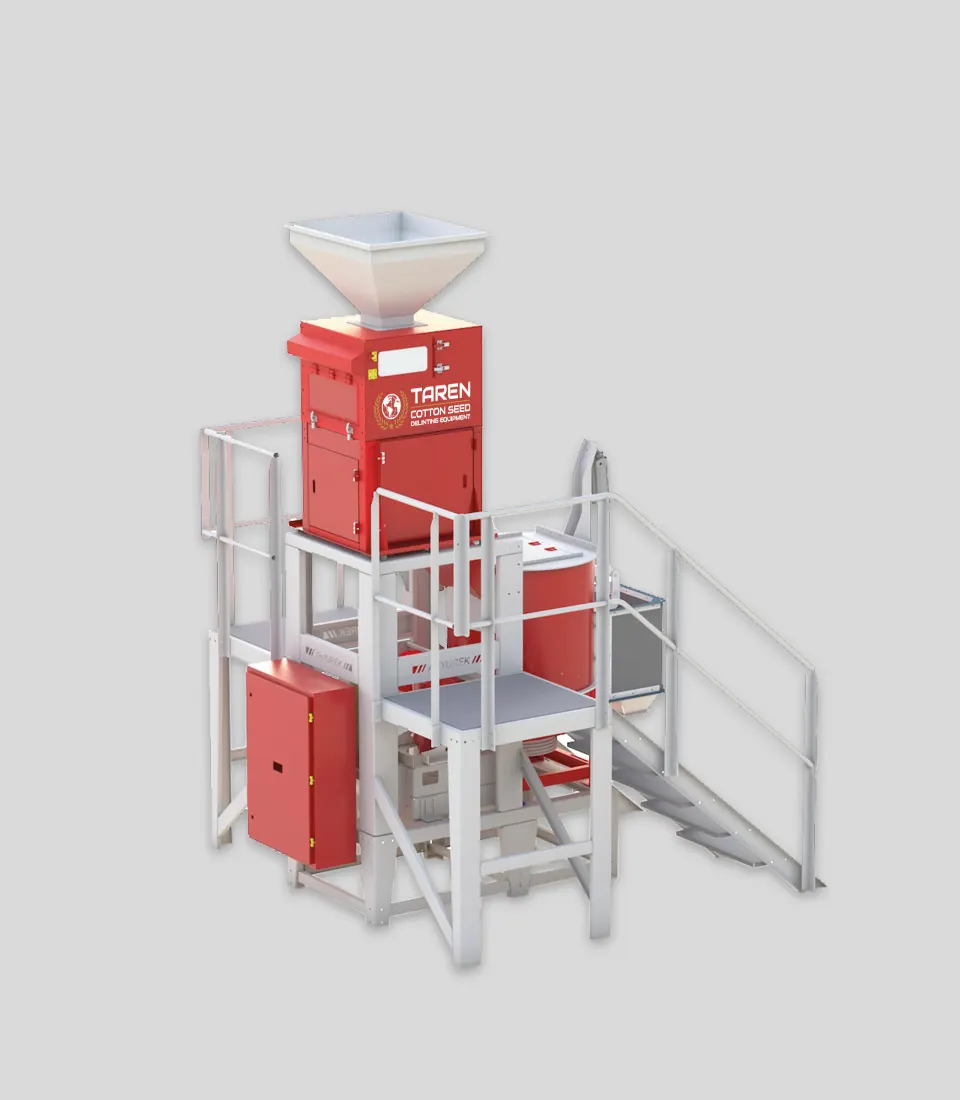


Taren has designed a new gentle transport elevator that combines the performance, reliable design, and efficiency of its existing conveyors.

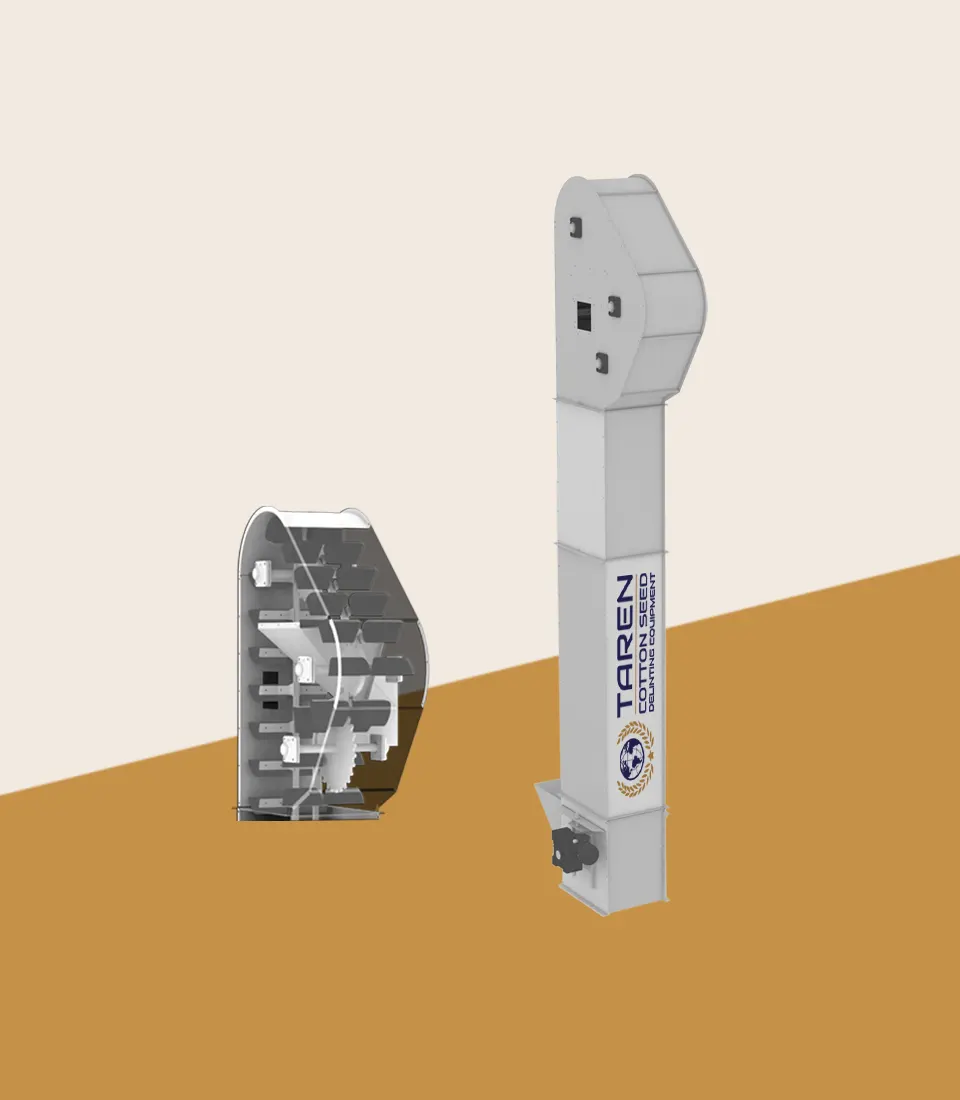
The pendulum bucket elevator efficiently transports granular products vertically and handles long horizontal distances, making it ideal for the seed industry and a suitable alternative to belt conveyors and traditional bucket elevators. The incoming product is precisely fed into the pendulum bucket elevator via a vibrating feeder. The bucket ends intersect at the entry, preventing seed loss. The buckets stay horizontal along the elevator frame due to the rotating chain assembly and tilt at the exit to direct the product into the discharge bunker.

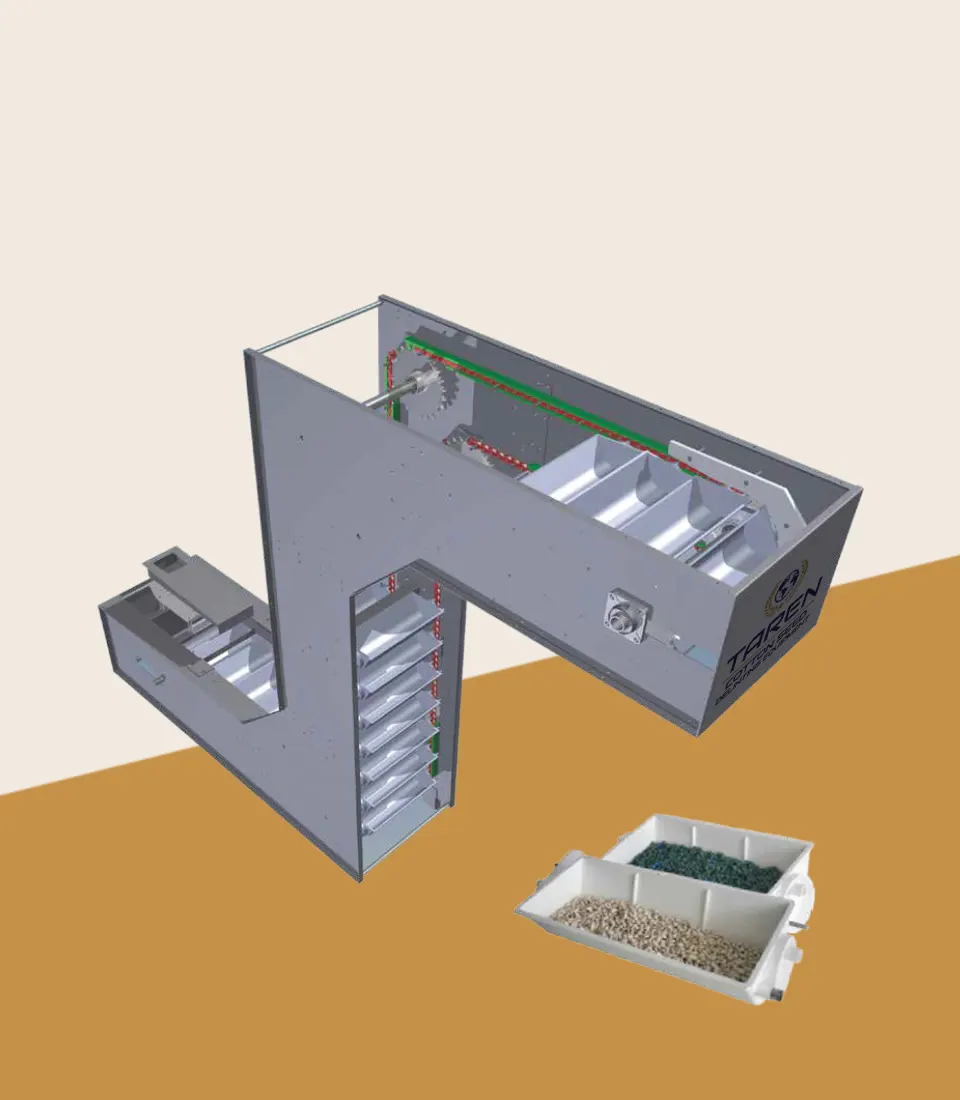
The most important feature of this machine is that it does not damage or harm the product during transportation. The height and width can be adjusted according to operational needs. The machine is available in both fixed and portable models. Taren's Continuous Bucket Z Elevators deliver peak efficiency in grain transport, offering vertical and cross movement for all grains, seeds, and legumes. Designed to preserve product integrity, they ensure damage-free transport for optimal results.


Chemicals We Use
With the innovative process developed by Taren Engineering, the chemical delinting process is carried out without leaving acidic waste in the environment.

The acidic dust resulting from the removal of fibers is trapped through filtration and cyclonic separation, and if desired, can be used to balance the soil's alkalinity.
Chemicals We Use
With the innovative process developed by Taren Engineering, the chemical delinting process is carried out without leaving acidic waste in the environment.

The acidic dust resulting from the removal of fibers is trapped through filtration and cyclonic separation, and if desired, can be used to balance the soil's alkalinity.
Chemicals We Use
With the innovative process developed by Taren Engineering, the chemical delinting process is carried out without leaving acidic waste in the environment.

The acidic dust resulting from the removal of fibers is trapped through filtration and cyclonic separation, and if desired, can be used to balance the soil's alkalinity.
Chemicals We Use
With the innovative process developed by Taren Engineering, the chemical delinting process is carried out without leaving acidic waste in the environment.

The acidic dust resulting from the removal of fibers is trapped through filtration and cyclonic separation, and if desired, can be used to balance the soil's alkalinity.
At Taren Engineering, we develop all machine software in-house and use SCADA for data collection, monitoring, and control. Our software team continuously optimizes these solutions for performance and reliability, enhancing machine efficiency and fully meeting user needs.
SCADA’s real-time analytics and process monitoring enable faster, more accurate, and sustainable solutions, ensuring peak efficiency and smooth operations for our customers.